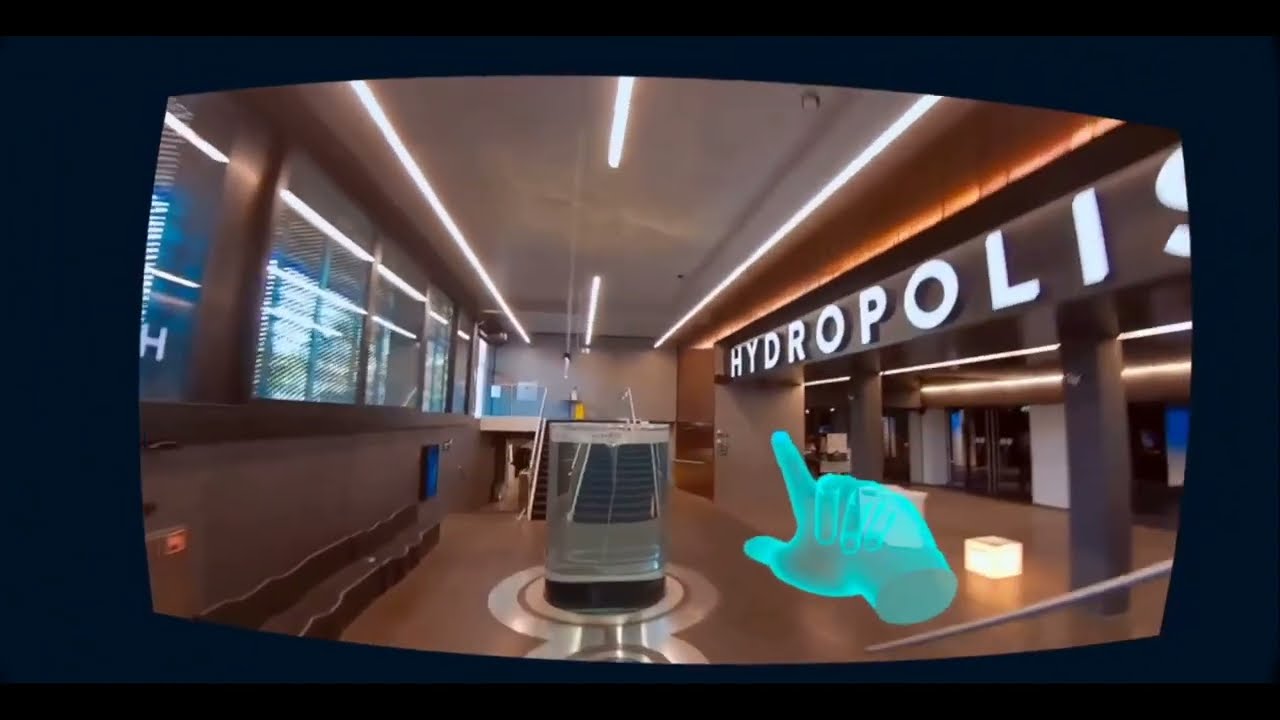
Modern cultural institutions use digital tools to attract visitors and offer more than a traditional walk through exhibition rooms. VR in museums creates immersive experiences that engage the imagination and bring exhibits into a wider context. Visitors can explore objects in settings inspired by the time they were made or take part in reconstructions of historical events. These experiences can make museum visits more engaging for adults and younger audiences alike.
Virtual reality opens up new ways for museums to communicate with their audiences. Museum VR applications can bring exhibits to life in a digital setting. 3D technology makes it possible to reconstruct historic buildings, recreate battles or explore everyday life in earlier periods.
Visitors can look beyond an object in a display case and discover its context: how it was made, who used it and what role it played. An interactive experience can help people connect the information on display with a memorable visual story.
Simulation-based VR applications for museums can support lessons in history, art and archaeology. Students can travel virtually into the past and explore settings associated with historical events. Abstract information gains a visible context, helping learners understand the subject through exploration. Museums using VR can combine education with a sense of discovery that appeals to audiences familiar with digital media.

VR is one of several digital tools available to cultural institutions. Museum applications can also guide visitors through an exhibition with interactive maps, exhibit descriptions, quizzes and audio recordings.
Combining mobile applications with VR can create a coherent multimedia experience. Visitors can first discover the essential information in an app, then explore a virtual environment that develops the story in an engaging, visual way.
These tools offer different ways to experience an exhibition, from a traditional visit supported by digital information to a more immersive virtual experience.


Virtual experiences can make museum content available beyond the building. People who live far away or face barriers to an in-person visit can explore exhibitions remotely. The accessibility of a VR experience depends on its design, hardware and the needs of its audience.
Virtual reality and other multimedia tools extend the museum’s role beyond preserving and displaying objects. Museum applications and bespoke VR projects can support its educational mission by connecting the past with the present.
With VR, a museum can become a place where history comes to life. Explore multimedia solutions from LUNE.xyz and discuss how to introduce new audiences to your collection.
We can advise which VR headset best fits the requirements of your project.


Wrocław
tel: +48 600 267 159
email: biuro@lune.xyz
Lune sp. z o.o.
ul. Sikorskiego 26
53-659 Wrocław, Poland
Tax ID: 8952231403